Most people don’t pursue a career in occupancy planning.
They discover it.

That’s how it started for me.
I started my career in interior design, thinking my path would center on designing the spaces where people work.
Over time, I found myself drawn to what was happening behind the scenes. I wanted to understand what shaped decisions long before anything was built.
If you’re here, there’s a good chance you’re curious about occupancy planning but aren’t quite sure what it is, how people get into it, or whether it could be a path for you.
That was me, too.
Occupancy planning isn’t something you study in school. Most people discover it by accident, often through project work that slowly pulls them closer to the data behind workspace decisions.
This site exists to make that path visible.
It’s a place to understand what occupancy planning actually is, what the work looks like in practice, and what skills matter if you want to explore it further.
Read more: My Accidental Journey from Designer to Occupancy Planner

This is a learning space shaped by experience.
Everything here reflects what I wish I’d known earlier in my career to make your journey easier.
Occupancy
Planning
Learn how occupancy planning actually works and develop the analytical skills used in day-to-day practice.
For anyone working in the field or trying to get there.
Workshops +
Speaking
Bring industry expertise into your classroom through interactive sessions on occupancy planning, data-informed design, and career exploration.
For educators looking to bring industry experience into the classroom.
My Background + Experience
Discovering occupancy planning changed my career trajectory and reshaped what I thought was possible with a design education.
For anyone curious about an alternate career path with a design background.
Occupancy Planning FAQs
-
In the context of the office environment, occupancy planning is the ongoing process of aligning people and workspace, ensuring the physical office environment evolves as organizational and employee needs change.
It focuses on how employees use space, where teams are located, and how effectively the workplace supports daily operations.
-
An occupancy planner works at both tactical and strategic levels to help organizations manage how employees use space.
On a tactical level, they respond to end-user requests such as moves, seating changes, or furniture adjustments.
On a strategic level, they think ahead, using data to model how space may be used over time and to help organizations plan for future changes, such as growth, downsizing, or shifts in how teams work.
-
Occupancy planning sits at the intersection of data and design. As a result, occupancy planners need to understand how the physical workplace operates and the data behind it.
On the physical side, this means understanding space planning best practices, spatial limitations, required clearances, and how design standards are applied within an existing space. Just because you could add a desk doesn’t mean that you should. This knowledge ensures that proposed plans are functional and realistic.
On the data side, occupancy planners work with a high volume of employee and workspace data. Spreadsheets and analytical tools make it possible to efficiently evaluate headcount, seating supply, and model future scenarios, which would be impractical to manage manually. Strong data skills allow planners to analyze options quickly and support decisions with clear evidence.
Recommended readings to get started.
-
What Does an Occupancy Planner Do?
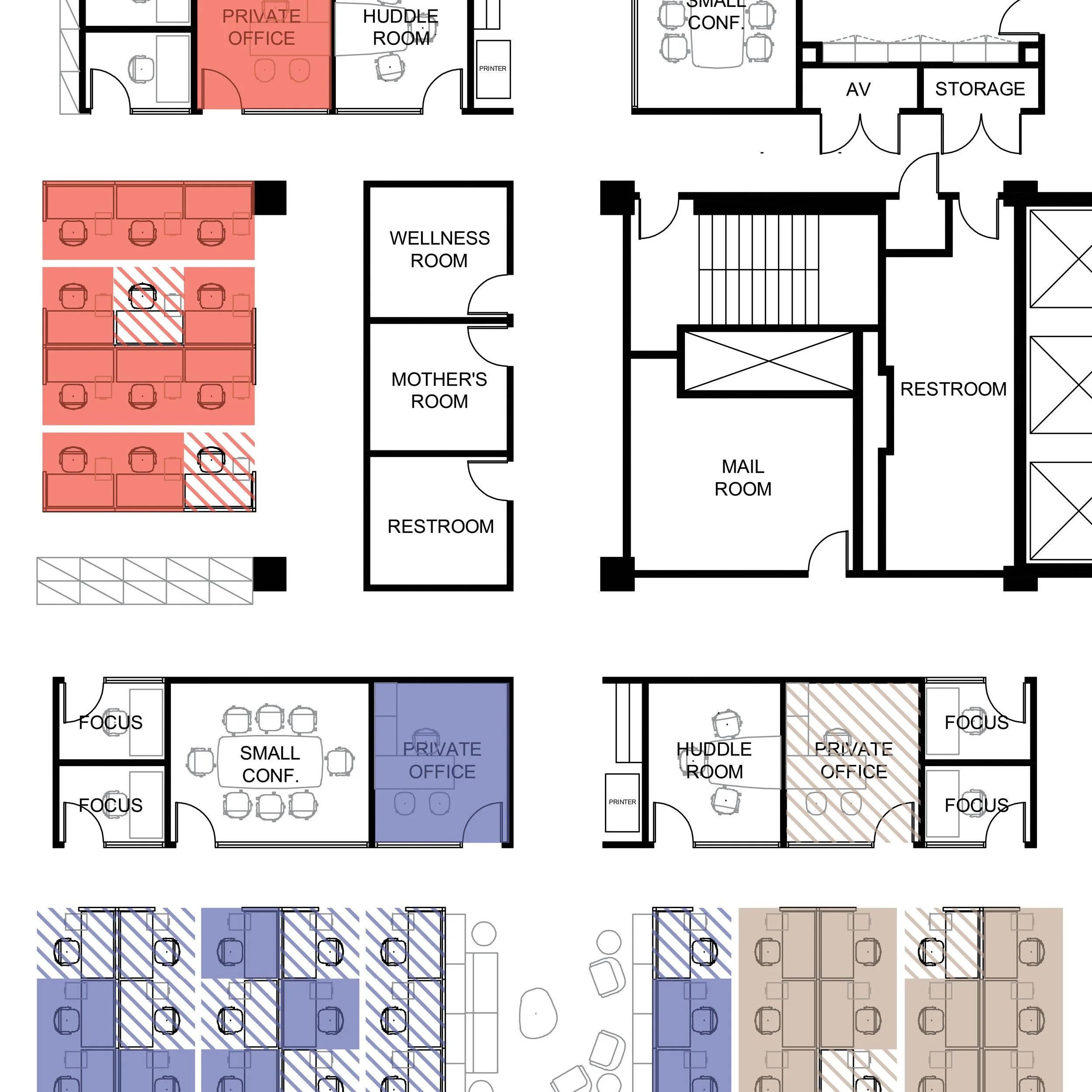
Occupancy planner ensure the workplace evolves as organization and employee needs change overtime. Learn more about common OP requests, solutions, and sample deliverables.
-
The Connection Between Interior Design and Occupancy Planning
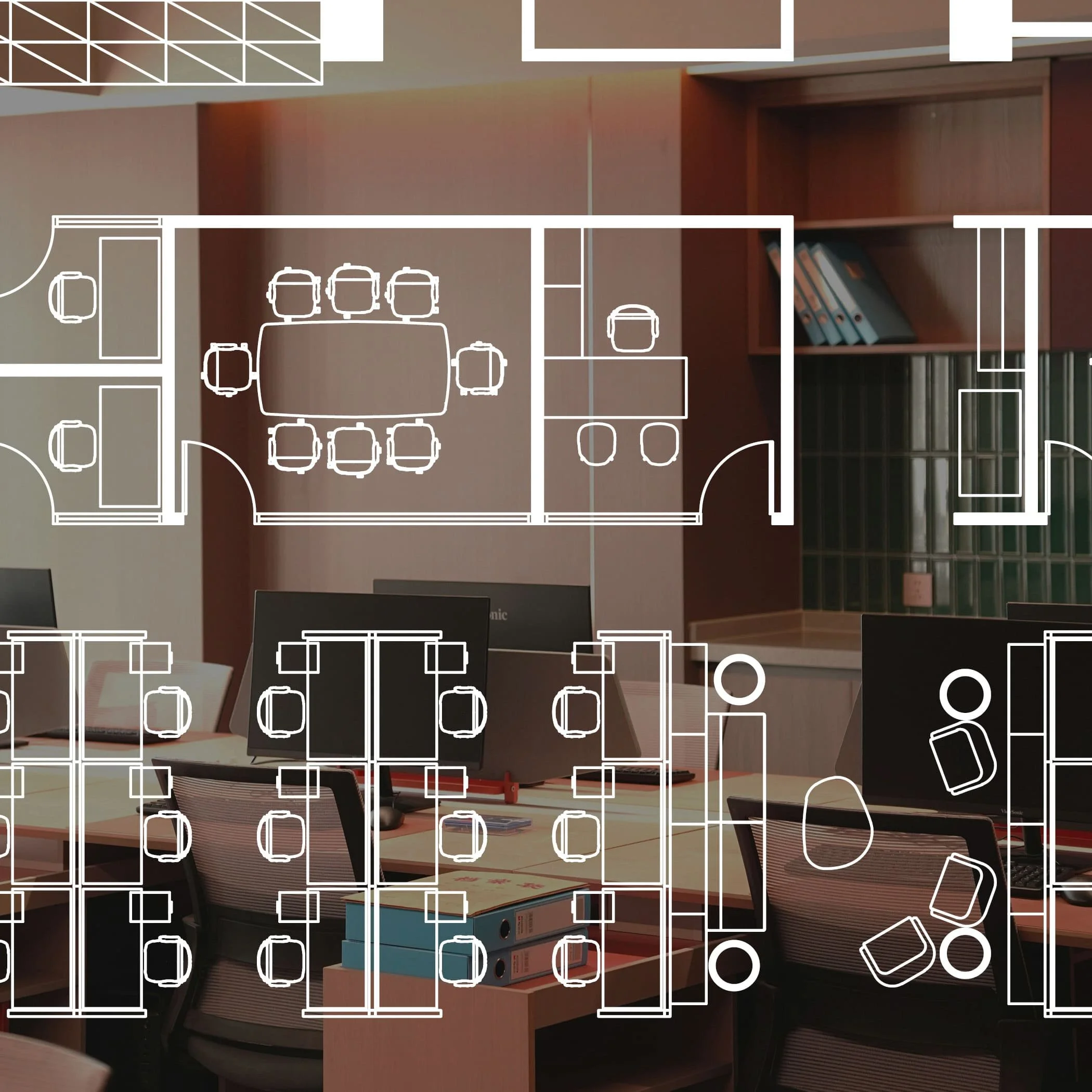
Discovering the field of occupancy planning changed my entire career trajectory. Learn more about the profession and the connection between Interior Design and Occupancy Planning.
-

4 Phases of the Workplace Lifecycle
The workplace is a dynamic environment that moves through four key phases. Each one influences the next, creating a continuous cycle, where daily activity shapes long-term strategy.